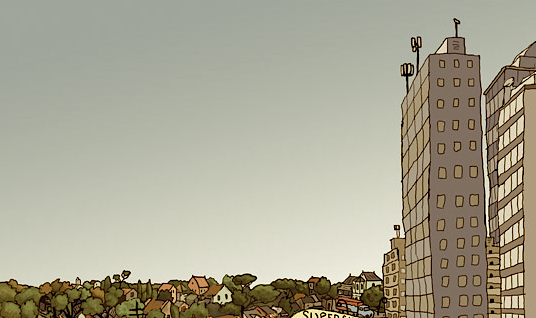
 The Main Gate District is the latest proposal for a re-zoned urban overlay district (UOD) in Tucson. One that is nearing completion is DowntownLINKS, a warehouse district overlay. To make these happen, the Mayor and Council in August 2010 adopted an urban overlay district enabling ordinance that allows them to initiate a rezoning in parts of the City that they most desire to have the zoning option to develop as transit-oriented development. Specific re-zoning proposals that fall with the UOD boundaries can later obtain neighborhood input and a consensus on transitions an overlays such as the Main Gate District. Urban overlay re-zoning proposals will all inevitably border against viable established neighborhoods. You can view the City’s website for some of their other attempts at spurring urban growth. The Main Gate District will require demolitions, particularly where proposed hi-rise zones slam into single story homes that are also designated with an opt-in for hi-density and which will promote ultimately insure removal. That can be good or bad. The Main Gate District Plan by Shepley, Bulfinch, Richardson and Abbott of Boston, Massachusetts can be downloaded for you viewing here. Main Gate District (PDF) WUNA’s plan (PDF) Letter from WUNA (PDF)
Posted in Main Gate UOD | 1 Comment »
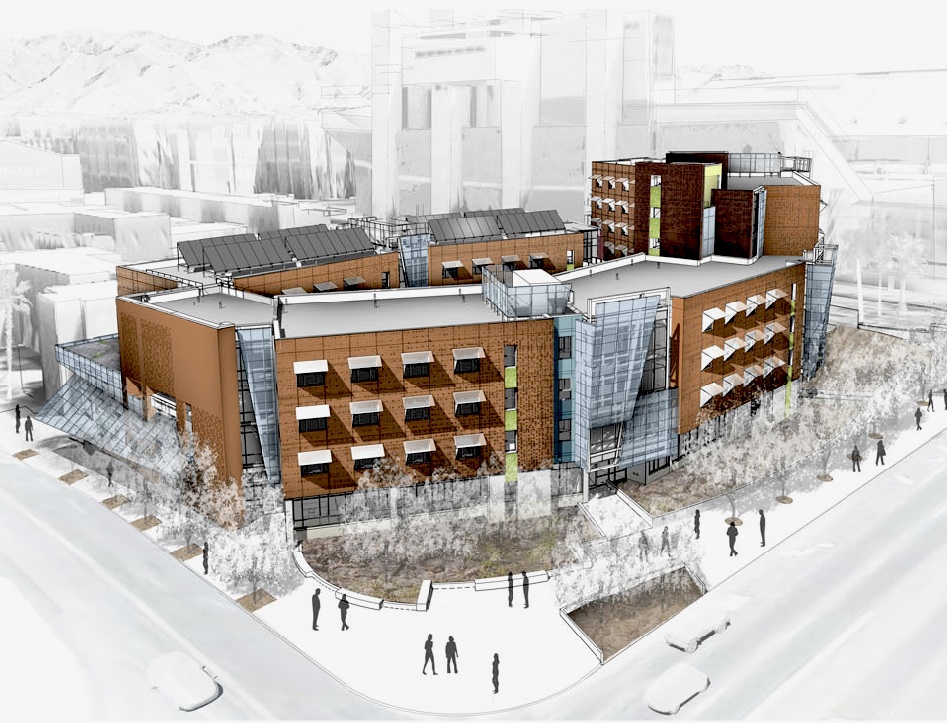 Last Monday, 12/19/11, the City of Tucson invited residents within 300′ of the proposed Main Gate District Urban Overlay District (UOD). The UOD is a modern zoning based concept that can stimulate development in around downtown and university. Tucson is still waiting for one to work. Despite the challenge of transitioning into neighborhoods along their edges, these districts are necessary for Tucson. The downtownLINKS is one of the first proposed overlays that is not yet approved and adopted. Planners and residents know we need to find an edge strategy to preserve the dignity of impacted neighborhoods that are looking at an urbanized future. The Main Gate District is the next hot plan that will bring in hi-rise housing in close proximity to university neighborhoods and perceived traffic. Much of this drive for density is synonymous with the Modern Street Car as the City brain storms ways to make it viable. It needs density along its route or the street car simply faces a weak performance, but if it works, traffic will not be an issue.
Residents of West University Neighborhood (WUNA) are troubled by the Main Gate District as it sets the stage for highrise housing adjacent to single story historic homes; which in one case, a 12-14 story zone proposed directly behind 68 year resident Brian McCarthy’s bungalow facing Euclid Ave. Residents fear not only the view of nearby highrises, but concentrated density of single user groups, i.e. students and their undergraduate lifestyle. How do you guarantee the right mixed use? If you factor in the rest of the streetcar linkage, downtownLINKS, etc…, there is plenty of space for a variety of housing and business options and uses. A consensus on what defines the right transitions is perhaps the biggest key to success. Imagine a scenario where residents and developers saw through the same lens. Impossible?
Other fears are lack of neighborhood input once such an overlay is adopted. Neighborhoods do not have substantive input. They have their required 300′ proximity notification, public comment and toothless advisory protocol. In a cynical sense, if neighborhoods had any real power, they would have a large part in the planning process and involve the right decision makers. One would think the planning commission would be that venue, but it hasn’t appeared so. A smaller targeted UA area commission might be an idea worth looking at. One continuing hurdle for U of A neighborhoods, is that residents want to define what they wish to see in a vacuum, which is partly why what they keep getting the wrong development. Now is always the time move on anything. Currently, that piece of time ripened opportunity is the Main Gate District.
Posted in Edges and Overlays, Infill, Land Use Code | Leave a Comment »
Land Use Code (LUC) Project / Tucson Website
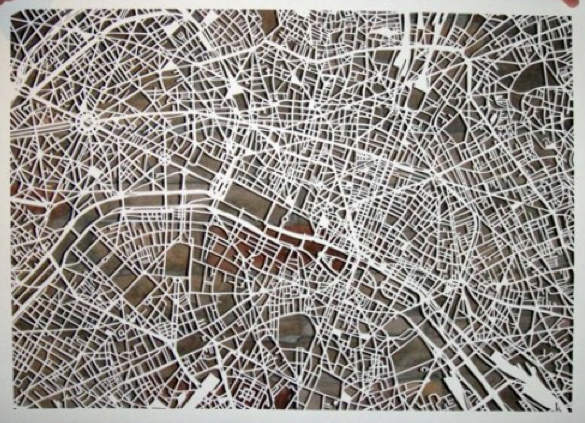
The LUC simplification project is probably not simple but it is has been ongoing for almost 2 years. It is intended to clean up the current LUC piece by piece until it fits a vision for a prop-2007 proof land use code that better fits Tucson’s emerging development paradigm. Paradoxically, a totally new and modern zoning code, the Unified Development Code (UDC) is emerging right by its side. Wierd? Not so!… It is being designed to ultimately replace the LUC. The LUC will remain as a pre-proposition 2007 alternative to the UDC, long enough to deal with lingering “prop-207” challenges that are expected to impact the UDC. Ladd Keith perhaps explains the motives behind all of this in his blog, what’s next for cities & urbanism.
Posted in Land Use Code, On-going Action | Leave a Comment »
This from Ward 3 councilwoman Karen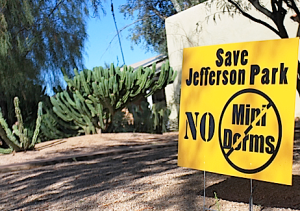 Uhlich: “The definition indicates that a structure will be considered a Group Dwelling if leased/occupied by 5 or more unrelated persons. Mayor and Council provided direction to ensure that domestic partnerships and dependency relationships (e.g. foster parenting, etc.) will be included in the relationship category (along with relations by blood, law or legal custody). This approach of defining “group” (5 or more unrelated persons) offers a fair and straightforward way of preserving the intent of R1 and R2 zones…Existing structures currently utilized as Group Dwellings could remain in R1 and R2 zones if owners apply for a conditional use permit. That permit could be revoked if the conditional, group use undermines the area by creating nuisance or criminal problems” I guess one could say this is better than nothing, but the land use code group home limit for the number of unrelated person living in a household is 2 for R-1 and 4 for R-2. As welcome as this is for Jefferson Park and Feldmans neighborhoods to protect against the larger mini-dorms, it appears to now expand the LUC to allow future smaller minidorms (group homes) if less than (5) person use the structure. Ward 6 actually contains much more area within impacted areas, however councilman Steve Kozachik doesn’t thinks mini dorm builder are getting a fair shake. View this FOX11AZ.com story on the October 12th M&C session for more on Kozachik’s point of view.
Posted in Preservation | 1 Comment »
 “In 1999 voters approved the creation of the Rio Nuevo Multipurpose Facilities District (District). The District is both a municipal stadium district and a special taxing district. The voters authorized the District to receive an incremental portion of State-shared funds derived from transaction privilege taxes (i.e. sales tax called TIF Funds) collected from within the District boundaries within the City of Tucson city limits. The District is a State municipal district with the powers, privileges and immunities granted to governmental, municipal corporations for District purposes: a planned multi-faceted development project, including cultural and recreational amenities and improvements, unique historic re-creations, mixed-use developments, etc.” Statement from Rio Nuevo Reconstituted. A new reconstituted Rio Nuevo District management emerges. Reconstituting, as it is defined is to constitute again or anew; especially to restore to a former condition. Maybe reconstitute is not the right word. This district needs to re-invent itself. However Rio Nuevo moves forward, we need to understand its impact on inner city neighborhoods with much needed new urban construction and improvements that are coming soon. Please view and mark their new website and meet the recently appointed board of directors: Rio Nuevo — Official Web Site.
Posted in Rio Nuevo | Leave a Comment »
 Tucson’s urban university core is full of rich old neighborhoods that are both victims of unplanned growth and advocates for preservation. The larger picture of preservation is the context that make these neighborhoods an urban refuge for family living environments which is worth preserving. As student housing demands migrate closer
  to the university, neighborhoods must make choices between orderly housing blocks, located along the right activity corridors or random unplanned group homes and defacto apartment compounds. The choice is clear and neighborhood edges with the right underlying zoning can be legitimate candidates for housing density near a major university. How do we plan this? One problem that vocal critics of planning like West University Neighborhood, is that there is no enforceable plan to insure a compatible transitio
 n to their interior. The closest document is the U of A area plan which is only suggestive and some infill overlays along the edges which have angered home owners and do not work correctly. Another problem is no voice of consensus. Tucson lacks a University Area Housing Body or Commission that would be that voice of reason to influence the right planning decisions. Developers are frustrated because they feel neighborhoods want to save everything and won’t make choices. Some developers proliferate controversial “mini-dorms”. Feldmans Neighborhood is a case history. It has essentially lost its north half to this new context of group homes and had an opportunity in 1997 to be an HPZ. Jefferson Park Neighborhood is also threatened. West University is pr
 otected by its Historic zoning overlay, the HPZ, which can’t be used in new areas because of prop. 207, but it’s edges are an ongoing issue. The logical direction is for mayor and council to appoint a specific commission that can make the tough decisions about specific planning omissions, adopt residential and commercial edge incentive plans, guide a re-write for university area plan and embed key language and references into the upcoming Tucson General Plan scheduled for public referendum before 2015.
Posted in Ideas, Preservation | Leave a Comment »
Steve Kozachik – Tucs on Progressive. Tucson Progressive Blog by Pamela Powers. Pamela is prolific in her discussion around Tucson’s core issues. Check out her blog.
Posted in Politics and Editorials | Leave a Comment »
Please click on this title to view article “Power Shifts at City Hall“.
Posted in Infill, Politics and Editorials | Leave a Comment »
 The following commentary is worth listening to. Bob Schlanger is calling out for a body of individuals to take on a regional plan for residential areas surrounding the University of Arizona. This would not be unlike the Tucson Planning Commission which the Mayor and Council have consistently relied upon to guide general planning objectives and their outcome in greater Tucson. Tucson has plenty of commissions, but what has been lacking is a commission to specifically take on the future of residential areas surrounding the U of A and lapping into the downtown area where the University is also expanding. Please view this commentary on you-tube right here: Bob Schlanger’s commentary Preserving the Tucson Lifestyle – YouTube. For further insight into what has happened to one neighborhood that illustrates this problem, please view another you-tube video by Joan Hall, also, a Jefferson Park Neighborhood resident.
Posted in Politics and Editorials, Preservation | Leave a Comment »
 On June 21st, Jefferson Park Neighborhood Association (JPNA) succeeded in becoming Tucson’s 2nd pilot Neighborhood Preservation Zone (NPZ) by adoption of the Jefferson Park Design Manual (JPDM) You can view in PDF by clicking here. Council members Uhlich, Scott and Romero argued effectively to protect core neighborhoods and pass the manual, while Council member Kozachik and Mayor Walkup showed remorse over the JPDM’s omission of a density strategy along arterial edges. Considering both good and bad, the vote was unanimous. While, we are a step closer to saving the heart of residential zoning uses around the university, planners and stakeholders have a mandate to come up with the right answer for edge density and diversity. In the coming weeks, this issue will get hotter, as a key vote by the board of adjustment will reverberate through out core neighborhoods. The ruling to enforce proper residential uses is under appeal and is scheduled to be publicly heard by the Board of Adjustment. If the ruling survives, neighborhoods will still need targeted incentives and policies that will assure stable investment in their university homes. In fact, several JPNA residents stated they were holding off on property improvements until passage of the JPDM. Now, more than ever, neighborhood representatives and developers would like to see a comprehensive housing vision with a clear edge strategy. Councilman Kozachik stated after the adoption of the JPDM, regarding mixed uses and targeted zoning density along major roadways, that “…this is critical to protecting the interiors of our neighborhoods from non-conforming and incompatible building…” One could say that implies a pro-active city government that can play a lead in the mandate for a cohesive venture between the University, the City of Tucson, the Core Community and developers to save what is left of our core neighborhoods. Please click on Arizona Daily Star’s editorial.
Posted in Edges and Overlays, On-going Action, Preservation | Leave a Comment »
 Imagine a Greater Tucson (IGT) is a envisioning process, whereby the public inputs how they see regional growth. After a series of community introductions the process took on community level, hands on exercises, in which public meetings were divided into small groups. Each group has an opportunity to create a planning scenario for Greater Tucson by placing high, medium, or low density paper chips on a large map and labeling future transit, pedestrian/bicycle and private vehicular arterials throughout the region. Several hundred people have participated in the workshops, producing more than 100 maps. The end product will be a consensus. Participants range from very concerned and focused individuals to a bit oblivious to the bigger problems we face growing to over 2 million population. Lets hope the public has the right foresight. Lets hope the IGT findings are embedded into the General Plan or “Plan Tucson”, scheduled for voter ratification sometime after 2011. With so much of a up-zoning component, this is critical for its success.
 So what does it mean for downtown and the U of A. Most of us know one not so good example of an urban area that impacts us all. That is downtown Tucson. Stakeholders including the U of A see a more positive future. Can this help set a tone for the IGT goals? One common theme seen in the IGT exercises is more density and urban edge expression along key transit routes all through out the region including downtown designations in outlying charter centers. The end product will be interesting. Closer to downtown Tucson, we have an example in the works; the 4 mile stretch of the modern street car route linking downtown with the U OF A and the adjacent aviation corridor connection through the warehouse district. See downtownLINKS. One of Tucson’s more fiscally conservative republican councilman, Steve Kozachik, is itching to tackle the up zoning and development strategies along this small 4 mile streetcar corridor to make it a worth while investment. Is this a model for the larger task of playing out the goals of the IGT process? Stay tuned.
Posted in Edges and Overlays, IGT | Leave a Comment »
“The city’s controversial minidorm ruling will almost certainly be settled in court. But the issue reflects a lack of planning on the parts of the city and the University of Arizona to address the growing need for more student housing” Daily Star – Read the rest of the article right here
Posted in Conversations, Politics and Editorials, Preservation | Leave a Comment »
 Tucson residents don’t want to imagine exploding gas prices in a typical sun belt city designed to rely on lots of roads. That day of reckoning is moving upon us and the message is fewer cars and more sustainability. These notions might reflect in current trends to provide student housing that will rely on the modern street car and other public transportation. The University of Arizona recently reached a goal to house freshman students on campus. Now, developers want to tap into the rest of the market for high density sustainable housing projects with one of the first, looking to be The District at UA. Not withstanding, the anxiety of homeowners, West University Neighborhood is particularly unhappy with it because its edge relationship with the neighborhood is too abrupt. That is simply, an omission of planning that the UA and City of Tucson choose to ignore. Nonetheless, the District still speaks more of an urbanized housing future than popular inefficient alternatives. This is a question about the balance between an urbanized university and its neighbors.
The market driver is the 30 thousand perennial UA students scattered around a few dozen neighborhoods. They are a shifting market geared towards much less driving. That begs the question; will the vacuum that this shift creates, be in-filled with better and more stable single family housing around the U of A. As vehicle-free high density housing projects are built, market pressure will lessen to build vehicle dependent group home style mini-dorms, which lease as fast as they are built right now; to make a point. They are the antithesis of sustainable student housing. Now, as the City of Tucson sees it, group homes are not actually a residential use in its recent zoning determination. The alternative scenario is more urbanized student housing solutions and re-vitalized single family zones surrounding the U of A.
On a bigger planning level, Tucson’s latest vision project, Imagine Greater Tucson (IGT), actually introduced a survey of what Tucson citizens want to see happen to the greater Tucson region at the Marriot Hotel on April 7th. Out of (9) focus areas, the University of Arizona and the subject of Urban Planning were (2) of these. Our problems are all around us. Its a matter of identifying and solving them, unlike Tucson’s past vision exercises.
Posted in Conversations, Ideas, Land Use Code, On-going Action, Politics and Editorials | Leave a Comment »
University Area Single Family Living and Tucson’s R-1 Zoning Determination – What Does It Mean?
 With the real estate still struggling, pressure to acquire and raze U of A area vintage dwellings and turn them into two-story rentals is pretty hot. Demolitions are common. Developers know the value of property near the U of A. Student group homes are going up as fast as they can be leased. While U of A area homeowners continue to languish, the University, conversely, has a different vision about off campus student housing. The University of Arizona has been working with private housing developers to insure appropriate off campus housing occur in the right places and is supportive of their off-campus mission, which we would all benefit from knowing more about. U of A planners see major sustainable urban housing statements along nearby edges and linkages, i.e., the street car linkage, downtownLINKS, Rio Nuevo, downtown… Yet, amidst this market battle to capture the demand for housing in the best way, the U of A’s focus also begs acknowledgment and a want for vibrant family oriented communities surrounding campus, offering something that nothing else can. Deep down, I think U of A area homeowners want the University to win this unintended fight, but sentiments continue to be loss and frustration as the counter intuitive group home phenomena seems to be going viral. Jefferson Park Neighborhood (JPNA) continues to be slammed by alleged zoning abuses and has been crying for enforcement. You can see their frustration in the Weekly’s piece, Mini-Dorm Vigil in Jefferson Park. Feldman’s Neighborhood Association (FNA) is another area hit even harder as half of the old neighborhood is effectively gone and quite a few more properties are targeted for re-development on 1st Avenue, Euclid and Helen Street, just west of Euclid Avenue. Consequently, the City of Tucson is wincing over a claim for 3.2 million dollars if FNA’s design manual interferes.
After months of research, formal complaints and determination requests from JPNA, the City of Tucson responded on March 14th to an obvious question; what is R-1? The Zoning Administrator provided a bold description of what R-1 and presumably R-2 is and that is not great news for some rental uses. So, on with the battle for what constitutes a “single” family. CLICK for a pdf version of the determination. So, one must wonder, will this ruling preserve the real intended use within single family zones and how many appeals and lawsuits will it have to weather. It is hard to imagine the financial punishment this could be to all of us, but it is gathering press: Tucson Weekly: Ruling: Mini Dorms Are… , Koz & Mini-Dorms…, MIni-Dorms: Ulich vs. Koz., Tucson Citizen.com: Mini-dorm controversy, thread…, The Star: City Needs to Stand Up… The issue will certainly heat up. You can also check out Arizona Illustrated. We will keep you posted.
The City of Tucson’s determination is gutsy and faces a serious test and not the least, the distinct possibility of enforcement. Albeit, a day late and dollar short, it is at least an inconvenient truth that begs action from every leadership spectrum about the future of an urban university district. Getting caught short-sighted is obvious, and the City of Tucson has its work cut out on this one. The good news is, we have a good excuse to do something. What do people want? What does the City want? What does the University want? What do stakeholders want? What can everyone agree on?… Consensus, commissions, plans, visions, manuals, community forums, incentives, enabling overlays, sub-overlays, infill districts, urban districts, and so on, always skirt around the subject of understanding housing around the University. Since, the real estate crash, city leadership has been pro-active with business districts downtown. Now its time for U of A residential zones to have a spotlight. Hopefully, a very inconvenient answer to an old problem will be a catalyst for something good to happen.
Posted in Politics and Editorials, Preservation | Leave a Comment »
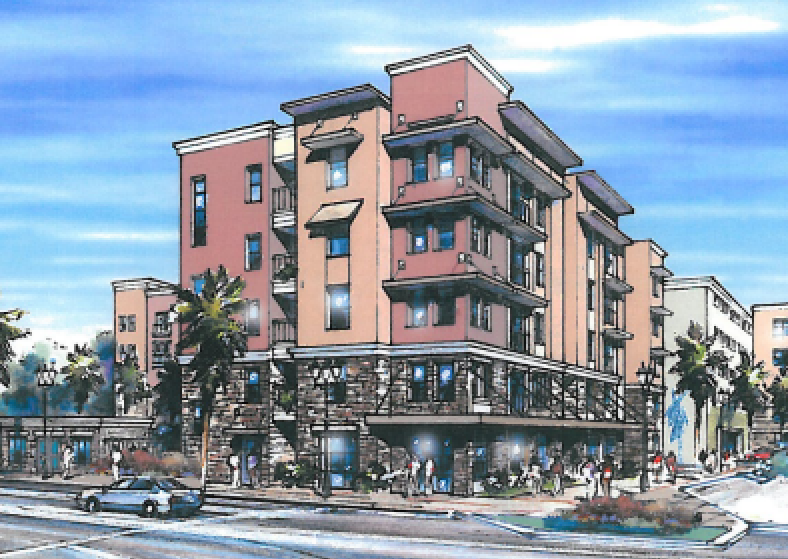 University neighborhoods want edge protection, but urban edges still need the right development, so what gives. Many recent attempts at UA housing infill along key edges have stalled or pulled out all together for one reason or another. “The District at UA” is the latest serious attempt at housing infill along a key urban edge. Its location is the site of the now demolished old YMCA site in the southeast arterial corner of West University Neighborhood (WUNA). You can pull up drawings and elevations @ the City of Tucson’s PRO site. The “District” is a nice looking project, reflective of the Infill district and UA housing needs, but falls in vacuum of necessary guidance to make it work for everyone. The issue for WUNA is a transition to low density and respect for its interior. The district plans do not do the job well enough. The project narrowly skirts WUNA’s local historic preservation zone (HPZ) and abuts 5 historic homes also outside of the HPZ with five story construction. Property owners afraid of the project are selling out to avoid it and as a result, the homes will likely be leveled and the issue will just move in closer to the interior of WUNA or shifting 5 homes to the North @ WUNA’s boundary. This really points out the need for an edge development strategy.
The District is not a bad project. It just falls into a planning vacuum. the closest document we have to give any guidance is the City’s UA Area Plan – pdf download. It is 22 years old and doesn’t say much about edges, infill, transitions or incentives. A badly needed update could morph it into an underlying document to incentive overlays much like the infill district itself, which is also linked in with its own sub overlay proposals for urban development; downtown. The Infill Incentive district (IID) also impacts The District at UA project, but lacks discussion of an edge strategy.
What frustrates neighborhoods is the inability to regulate out of the incessant encroachment of bad infill. Unlike WUNA, most have no HPZ protection making the issue much more threatening to their survival. 2006 property protection laws canceled out any new regulation or new HPZ’s as a means to expanding protection to neighborhoods that need help. What could happen is for the City, the UA and the UA neighborhood community to come to grips with the right edge development vision and preservation strategy; basically, a common consensus for the area. It’s clear that the UA states in its own master plans that supporting the viability and attraction of its adjacent neighborhoods is key to its own success, so why not? It’s all part of the big picture. There just isn’t any action or incentive to help that vision along and the City of Tucson is painfully silent on these issues. Neighborhoods are desperate to do something. Consider for instance that UA neighborhood, Jefferson Park (JPNA), over run by mini dorms, is now investing its own resources to force the City of Tucson to simply define what an R-1 use is. R-1 zoning abuse alone, is tearing apart a lot of single family residential context around the university. Like the FNA’s precedent design manual, the JPNA NPZ design manual may not insure the kind of protection they want, so they becoming more politically proactive.
Nonetheless, plans like the downtownLINKS, the streetcar plan, the evolving downtown core district and others do exist and good things will happen as a result. Its just time to extend our expertise to the issue of edges and transitions impacting many UA residential neighborhood assets that surround the University. If no comprehensive edge vision occurs at all, these plans can take some of the pressure off neighborhoods by attracting density and infill housing around the 4 mile streetcar route and the downtownLINKS corridor. Imagine how much greater an impact a community consensus could add. That it positive attraction. The University should know this, otherwise they wouldn’t talk about how important surrounding neighborhoods and developers are to their master plan. The UA is also a key factor in this happening, so they need to speak out. Downtown development has languished since its mid 20th century hey day. The UA’s expansion plans downtown and support for infill housing development could possibly turn the tide. Consider just the start of their plans; a down down arena and a downtown campus one block from the streetcar line.
As the visionary architect, Jaime Lerner, of Brazil’s City of Curitiba puts it; “It’s possible” It’s possible for Tucson. It’s possible for neighborhoods. It’s possible for the U of A. It’s just possible.
Posted in Edges and Overlays, Ideas, Preservation | 1 Comment »
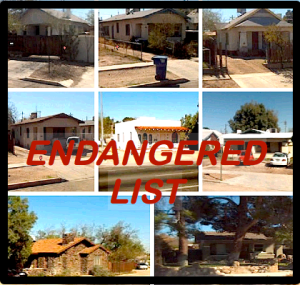
 Jefferson Park residents were pretty ticked off as they showed up in impressive numbers, Friday evening, January 7th, 2010, to protest another destruction of a single family home in its university area neighborhood. It is an ongoing saga. The Star published a piece entitled: In Jefferson Park, It’s About Greed, Not Student Tenants. Neighborhoods would like to stop the development of mini dorms which is a reason for recent demolitions in Jefferson Park and Feldmans neighborhoods. In September, Feldmans lost one of last remaining examples of a classic stone craftsman bungalow. What is driving all of this, is the economic reality of students wanting to rent near to the University. Meeting these needs is profitable now and its done in a vacuum of broader planning and leadership in preservation. Meanwhile, the City of Tucson and the University of Arizona are losing significant pieces of a residential fabric that speaks of a waning asset; a diminishing reason for wanting to live around the University. Are we losing? Jefferson Park is the second attempt in two years at creating a design manual to activate a recent ordinance called the Neighborhood Protection Zone (NPZ). Developer’s see the City’s efforts as a fairy tale. The problem is that proposition 207 strips the ability of an Arizona jurisdiction to put teeth into any planning ordinances enacted after 2006. This is the context in which remedies are sought and have stumped City officials. Karen Uhlich, Jefferson Park’s Ward Representative said in her latest ward 3 newsletter; …”In recent weeks my office has received countless pleas for City intervention from areas zoned R1 where existing small homes are being demolished in preparation for the construction of mini-dorms. Residents clearly expect the City to ramp up our efforts to challenge this infill trend”… It’s difficult for people to see hope in ward 3’s response. They know that the issue is not new to Uhlich’s office. U of A neighborhoods need a much bigger look at planning and incentives on a scale not yet undertaken by the City of Tucson, moreover, the City, paralyzed by its own budget crisis and inability to focus on the problem has simply not taken this on, other than in ways we know have no teeth or significant incentive. Pressure put the fire under the feet of the Mayor and Council to heat up commercial development incentives downtown. That much and more can be done for university area neighborhoods as well.
Posted in Edges and Overlays, Preservation | 1 Comment »
The Land Use Code as it we know it is on its way out as work on a new Unified Development Code (UDC) will ultimately become Tucson next official planning and zoning guide. This has all followed recent work aimed a simplifying the LUC and improving and designating development districts to continue efforts of revitalization and simplification. Land Use Code (LUC) simplification as well the LUC’s committees’s key note project, the downtown core district (DCD) is moving forward. Some current updates are in downloadable PDF format for your viewing. A Nov. 23rd Mayor and Council Memorandum summarizes work thus far. Key issues were identified in Simplification Project Key Issues. A document called General Background Material, time line key planning work, dates, etc, of significant C.O.T. planning work since June 2009. Lastly, the Land Use Code Simplification Project is outlined in a powerpoint document.
Posted in Land Use Code | Leave a Comment »
The LUC Committee is meeting on Thursday October 7th @ 3-5Pm, 149 S. Stone, 2nd floor to discuss sidewalk licensing which is important to street activity, the parking code and the infill incentive district, known as the IID
Posted in Land Use Code | Leave a Comment »
 Tucson is considering a Downtown Entertainment District The proposal is now in draft form, depicting boundaries for an entertainment district which would exempt the 300′ buffer from charter schools and churches from businesses obtaining liquor licenses. A city of 500,000 population or more can have (3) districts in the State of Arizona. That draft proposal outlines edges along U of A and Downtown historic neighborhoods. It stands to provide another incentive for business and downtown revitalization along with other proposal like the Downtown Core District proposed by the Land Use Code Committee, the Downtown LINKS project and others. One study that is an citizen based idea for incentives for contextual residential areas that surround the U of A and Downtown is the Urban University Edge Study It is in the form of a draft map of potential boundaries for a residential based housing and commercial incentive edge zones to benefit U of A historic neighborhoods, the U of A, downtown and 4th Avenue
Posted in Edges and Overlays | Leave a Comment »
Since the loss of dozens of U of A area Joesler Homes more than 30 years ago, a drive for preservation created 5 historic preservation zones (HPZ) in Tucson. Falling short of needed votes, Feldmans Neighborhood missed an opportunity in 1997 for HPZ status. In 2006, a new property protection law affectionately known as “Prop 207” ground the teeth off new attempts at preservation. Feldmans Neighborhood has just became a test case for a one such post prop 207 attempt known as the Neighborhood Preservation Zone (NPZ).
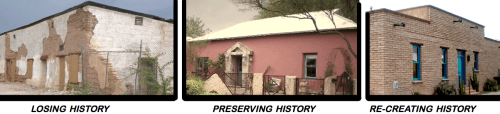
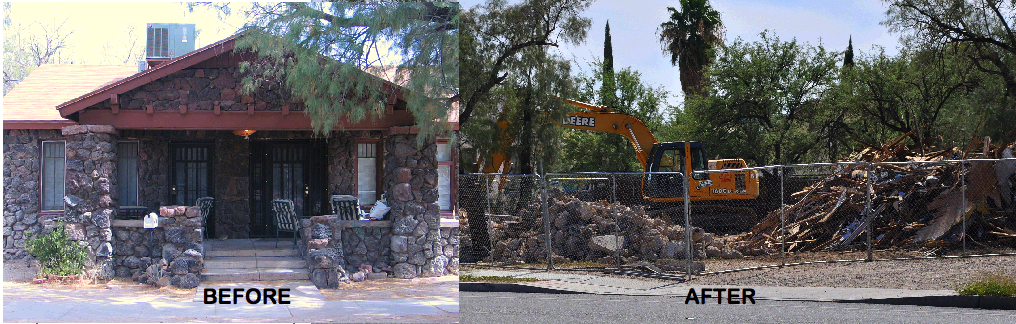 The demolition of 1127 N. Euclid is indicative of the NPZ’s weakness as we witnessed the loss of an exceptionally unique Craftsman Bungalow in the Feldman Historic District last Saturday, Sept 11th, 2010. The 1400-square foot residence”was” one of the very few all-stone Craftsman Bungalows in Tucson, constructed of “A-Mountain” basalt. Faint cries to save it were met with an even more deafening silence from the City of Tucson.
The writing is on the wall. This is not the end of demolitions of historic structures. It is a sign of the times as an economically stressed out Tucson looks the other way and preservationists watch helplessly in dismay. Action in this case can not equal regulation. Feldmans Neighborhood is a registered historic district with an NPZ and that didn’t help either. The message is that Arizona’s property rights laws allow this to happen. If the City of Tucson, university and downtown area residents and preservation activists don’t think outside the regulatory box, older neighborhood context will fade away.
After its own heavy-handed history, even the University of Arizona now recognizes the value of being nestled in historic family oriented housing districts as it reflects preservation goals in its master plan and is directs its sights to upper level students housing blocks in appropriate rundown core areas that link the U of A Campus with downtown. This is the kind of the energy that diminishes the attraction to tear away at the hearts of U of A neighborhoods. It’s a form of incentive when a large institution can assure success. What can and will make a difference in the preservation and revitalization of vintage neighborhood context are a combination of strong incentives and a desire from the City, the U of A , builders and activists to want this. The City for instance, wrote a minimally effective U of A area plans, 21 years ago, that is in need of updating. That document, re-written, can potentially express anything in the imagination. Commercial incentive overlays now targeted in the core area of downtown are planting seeds of hope that could also potentially be applied on a residential scale and if for no other reason; just to be democratic to non-commercial zones. Why not? Incentive overlays are powerful, because our Mayor and Council can adopt things that individuals can’t do on their own without lots of money. Areas hardest hit around the University and downtown are residential and commercial edges. Application of incentives and policy statements can evolve methodically along such edges. Every investor and builders recognizes the value of an attractive incentive. In an era of weakening regulation, this is where to look if we want to save history. Historic description and photos provided by Phyllis Webster, Feldman Historian.
Posted in Politics and Editorials, Preservation | 1 Comment »
 The downtown core district is an overlay of the Infill Incentive Zone with a variety of incentives that simplify or eliminate current provisions in the land use code, particularly parking, landscaping and loading zones. As such these overlay incentives are being proposed as an amendment to the Infill Incentive Zone. The DCD Draft can be downloaded and viewed here in PDF. On August 18th the City of Tucson Planning Commission forwarded the draft to Mayor and Council for adoption with a revision to maintain portions of the NPPO ordinance in drainage corridors that run though the district. The overlay boundaries of the DCD are concentrated in the core of downtown Tucson with its northern edge a couple blocks north of some run down commercial sites along Stone/6th/9th Ave and 5th/6th streets. Stone in particular is considered a gateway. The Downtown LINKS project overlays these gateway points.
One small remaining roadblock to development downtown are high cost of city revocable right of way use easements along downtown sidewalks that start @ $5000 plus annual renewals had not been adequately addressed. This type of easement applies to things like a café using portions of wide sidewalks with right of ways for outside European style seating, marquee signage, canopies, etc…
Posted in Land Use Code, On-going Action | Leave a Comment »
Reprinted with permission of Adam Smith, Principal Planner, City of Tucson, Planning and Development Services, 837-6951
Time line of “quick fix” LUC amendments
Tuesday, June 22nd – Mayor & Council: Public hearing at or after 5:30 pm
- Loading Zone (allows co-location of off-street loading zones within the approach area for dumpster containers and the stacking spaces of drive-through aisles when safety and access issues are appropriately addressed)
- Development Timeline and Expiration Dates (extends the expiration dates of tentative plats and development plans)
Wednesday, July 7th – Mayor & Council: Public hearing 5:30 pm
- Zoning Compliance for Existing Site Improvements (aka CofO Relief – allows new uses to move into existing buildings without having to meet all of the zoning requirements, so long as the new use is permitted under the current zoning of the property and existing improvements are maintained)
Thursday, July 8th from 9AM to 11AM
- LUC committee meeting, Public Works Building, Basement Conference room A
Wednesday, August 4th – Mayor & Council: Public hearing 5:30 pm
- Reductions in the Number of Required Number of Motor Vehicle Parking (clarifies the performance criteria and deletes the annual review of parking mitigation plans requirement)
- Urban Overlay District (enabling legislation allowing the creation of transit-oriented overlay districts)
Wednesday, July 21st – Planning Commission: Study Session 6 pm
- Amendments to the Downtown Area Infill Incentive District creating the Downtown Core District
Posted in Land Use Code | Leave a Comment »
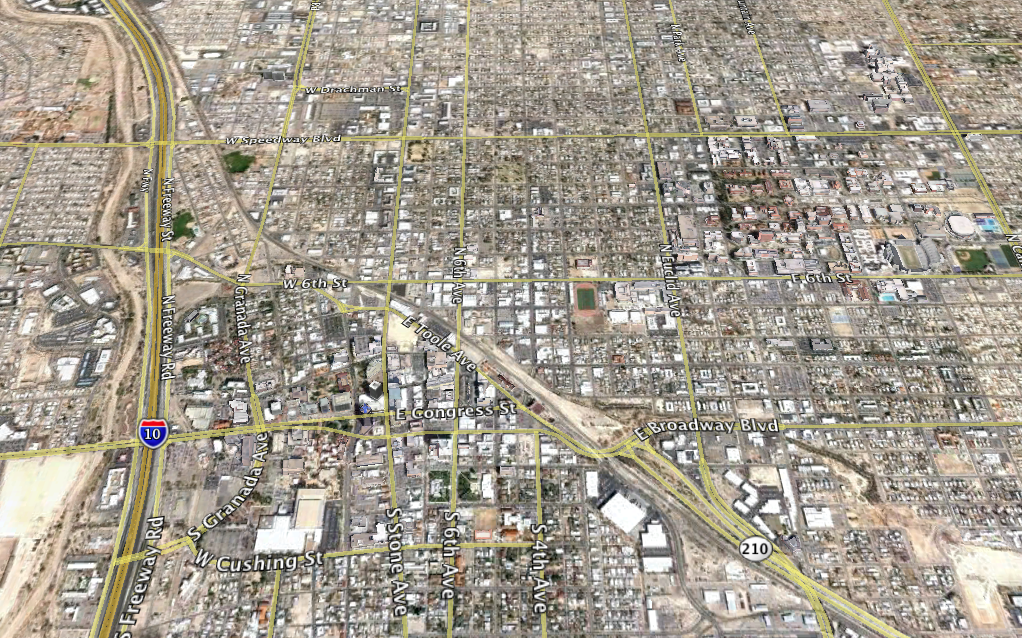
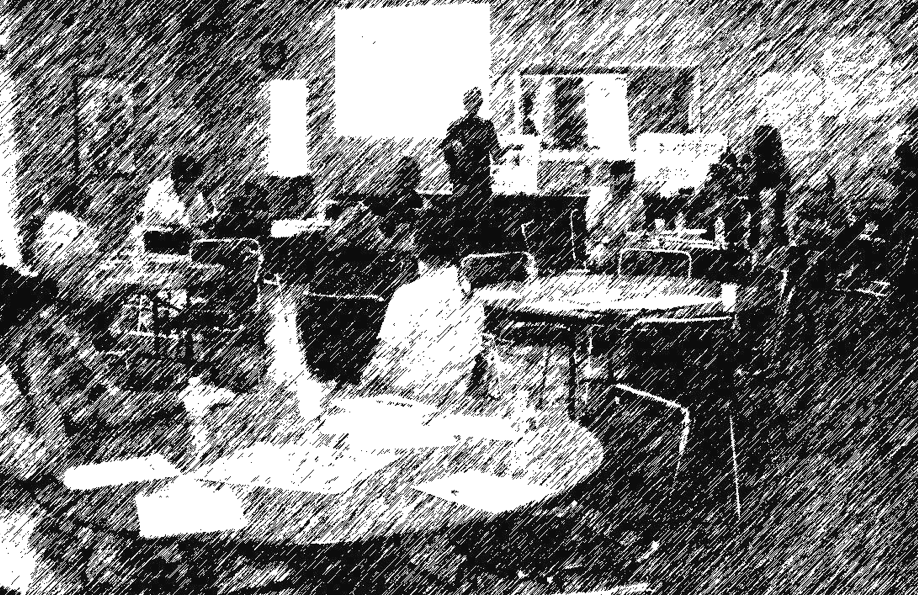 On May 22nd West University Neighborhood Association (WUNA) sponsored a public charrette focused along its interface with the University of Arizona. Bill Mackey of Rob Paulus Architects introduced the forum with a brief historical overview of density comparisons. WUNA welcomed the suggestion that its transition areas could benefit from creatively placed density increases It currently has a density 4 to 5 dwellings per acre compared to our foothills which is 1 unit per acre. The charrette focus was along the street car route. Approximately 30 participants split into groups to study the area bordered by Speedway, Park, Euclid and 6th St which is shown in the attached clickable thumbnail. Properties in the area comprise a variety of owners which are candidates for creative re-development and higher density
 . Charrette participants discussed pros and cons, ideas, uses, functional issues and transition concerns along existing homes situated at the corner of Speedway and Euclid. Dean Cervelli of CALA, the College of Architecture and Landscape Architecture, talked about an upcoming studio focus on interface design and planning issues. Jane McCollum of the Marshall Foundation provided input on her concerns for the focus area. WUNA has taken a bold first step to engage in a dialogue that will encourage many other neighborhoods to get on board, deriving ultimate support from the University and the City of Tucson. WUNA plans to continue its lead in this discussion as the modern streetcar project develops, which runs through the center of its historical neighborhood. Many other sensitive neighborhoods stands to gain increased stability and identity as the momentum for re-inventing Tucson’s core continues. A dynamic interface between Tucson’s urban core, the university and historical neighborhoods will benefit all of Tucson. Join the discussion. Get involved.
Posted in Conversations, Ideas | Leave a Comment »
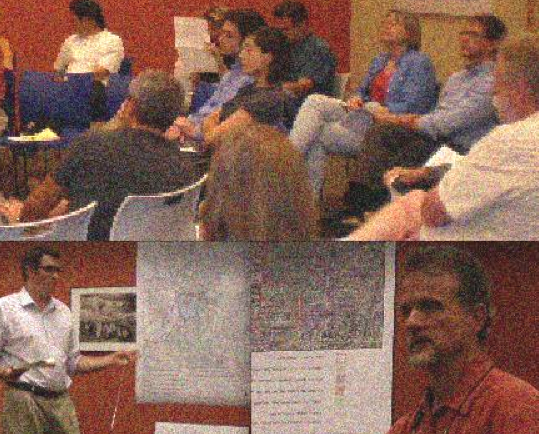 The May 4th Urban University Interface exploratory meeting sparked some ideas worth pursuing. With the LUC Committee busy completing its LUC revisions and the Downtown Core District Plan, neighborhoods need to look towards their own improvements using similar incentive strategies. Individuals from West University, Feldmans, Jefferson Park and Blenman-Elm Neighborhoods converged with architects, planners and community members to engage in a conversation about reversing a 3 decade trend of deterioration and dis-investment in key university neighborhood edges and interiors. Discussions centered around stabilizing key residential edges around the university through incentive strategies paired with similar strategies to accommodate compact student housing solutions in appropriate areas outside of neighborhoods . Hopes are to attract faculty, UA employees married students, upper year students and many potential home owners and families back into university neighborhoods. Below are some discussion tools that were used during the meeting. CLICK ON MAP TO ENLARGE
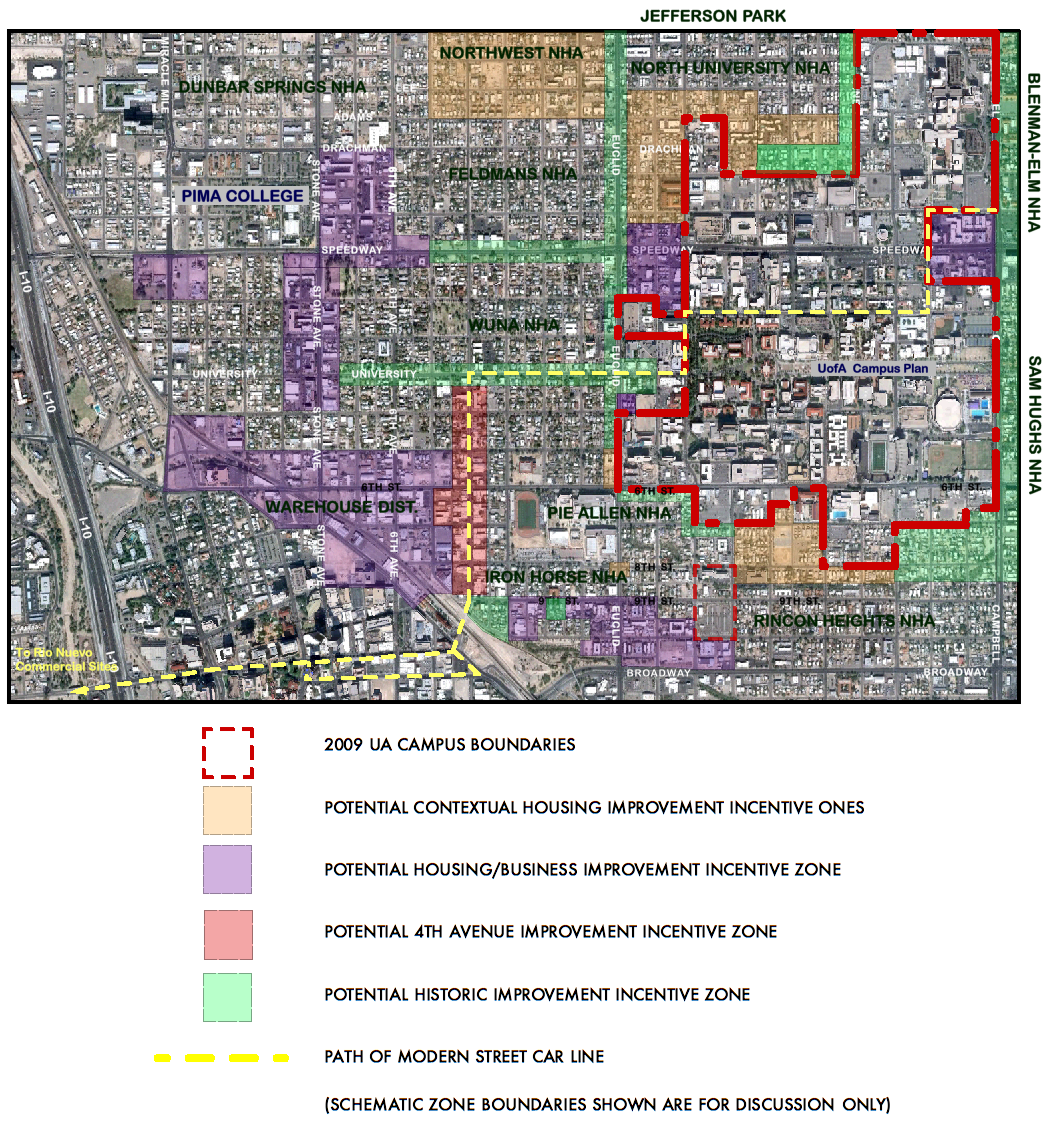
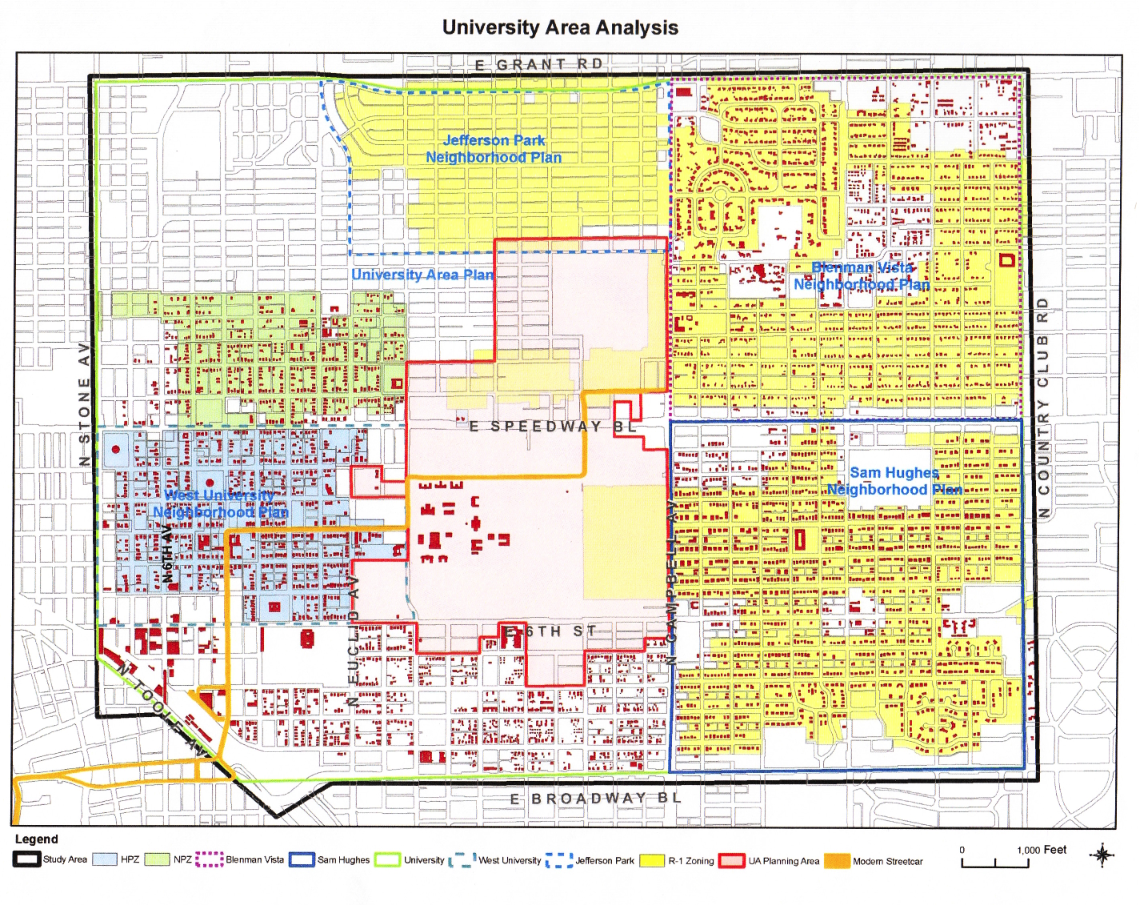

The remainder of the agenda included thoughts about the 2009 UA campus planning strategies and its stated interest in expanded housing opportunities, current neighborhood pressures and the current status of the LUC planning committees work in downtown core revitalization areas.

Posted in Conversations, Ideas | Leave a Comment »
The university a rea community, developers, and planners are invited to an informal meeting at the Ward 6 office, 3202 East 1st Street, on May 4th @ 7:30Pm, large meeting room, to explore the future of neighborhoods surrounding our University and its downtown linkages. The ward 6 office is just south of Walgreens, east of Country Club on 1st street. See you there. This is a privately initiated meeting forum and not a Ward 6 initiative. People with diverse knowledge of UA neighborhoods and development have been invited to share opinions. There will some brief summaries and discussion on the City of Tucson’s recent downtown initiatives, neighborhood concern relative to the status of contextual preservation and how the new NPZ ordinance is working or not working, the University of Arizona’s master plan, edges, and more. The focus is on an Urban University Interface; stabilizing edges vis-a-vis complimentary private expression of urban form that ultimately enhances preservation of our neighborhoods. What do you want to see happen? What are we preserving? What are our options? How do we get this ball get rolling? See intent statement.
Posted in Conversations, Ideas, On-going Action | Leave a Comment »
Search Topics
-
Current Discussion
- Benedictine Monastery’s Future
- Durham: Why I voted to OK new tower on Palm Shadows site | Guest opinion
- Interviews
- Broadway Corridor; Three Critical Links to Reality
- Broadway Renovation Plan Needs a Redo by Bob Vint
- Which Broadway Buildings Will be razed for Widening
- Broadway Corridor; Do or Die
- latest Student Infill Housing Project
- Downtown Tucson Proposals
- Broadway Corridor Design; No Bus Lanes
- Broadway Corridor Debacle; A Lesson in Losses
- Understanding Tucson Government
- Permitting Infill & Adaptive Reuse; Entitlement Hurdles.
- Tucson Talks Transit – Part 2; Beginnings
- Tucson: a Frequent Network Map
April 2026 M T W T F S S 1 2 3 4 5 6 7 8 9 10 11 12 13 14 15 16 17 18 19 20 21 22 23 24 25 26 27 28 29 30 Contributors
your views
- 21,567 hits
-
Join 12 other subscribers
 Bill Ford
 Urban University Interface.com
